Introduction
The low-ABV spritz has become the drink for people who want the ritual of a cocktail without the weight of a full-strength pour. It keeps the parts that make a cocktail feel special: cold glassware, sharp garnish, layered bitterness, and a little sparkle. What changes is the intensity. Instead of leading with a heavy base spirit, the drink is built on vermouth, aperitif wine, bitter liqueur, sparkling wine, soda, or tonic.
That gentler structure makes the spritz especially useful in the afternoon, at brunch, or during long dinners where one drink needs to stay refreshing from the first sip to the last. A good low-ABV spritz is not watered down. It is deliberately lighter, with bitterness and acidity doing the work that proof often does in a stronger cocktail.
The format also invites a different pace. A Martini asks for attention, a Sour asks for freshness, and an Old Fashioned asks for slow sipping. A spritz asks for a sunny table, a bowl of snacks, and enough ice to keep the glass lively. It is a cocktail built around ease, but the best versions still have architecture.
Why It Is Trending
Drinkers are asking for more choice between a full cocktail and a nonalcoholic drink. The spritz fits that space naturally. It can be bright and celebratory while still leaving room for food, conversation, and another round of water. Bars like it because the format is flexible. Home drinkers like it because it is easy to build without special tools.
The trend also connects to a renewed interest in aperitif culture. Vermouths, amari, quinquinas, and botanical aperitifs bring flavor before they bring strength. They offer orange peel, wormwood, rhubarb, gentian, herbs, roots, and spice in a package that pairs beautifully with bubbles.
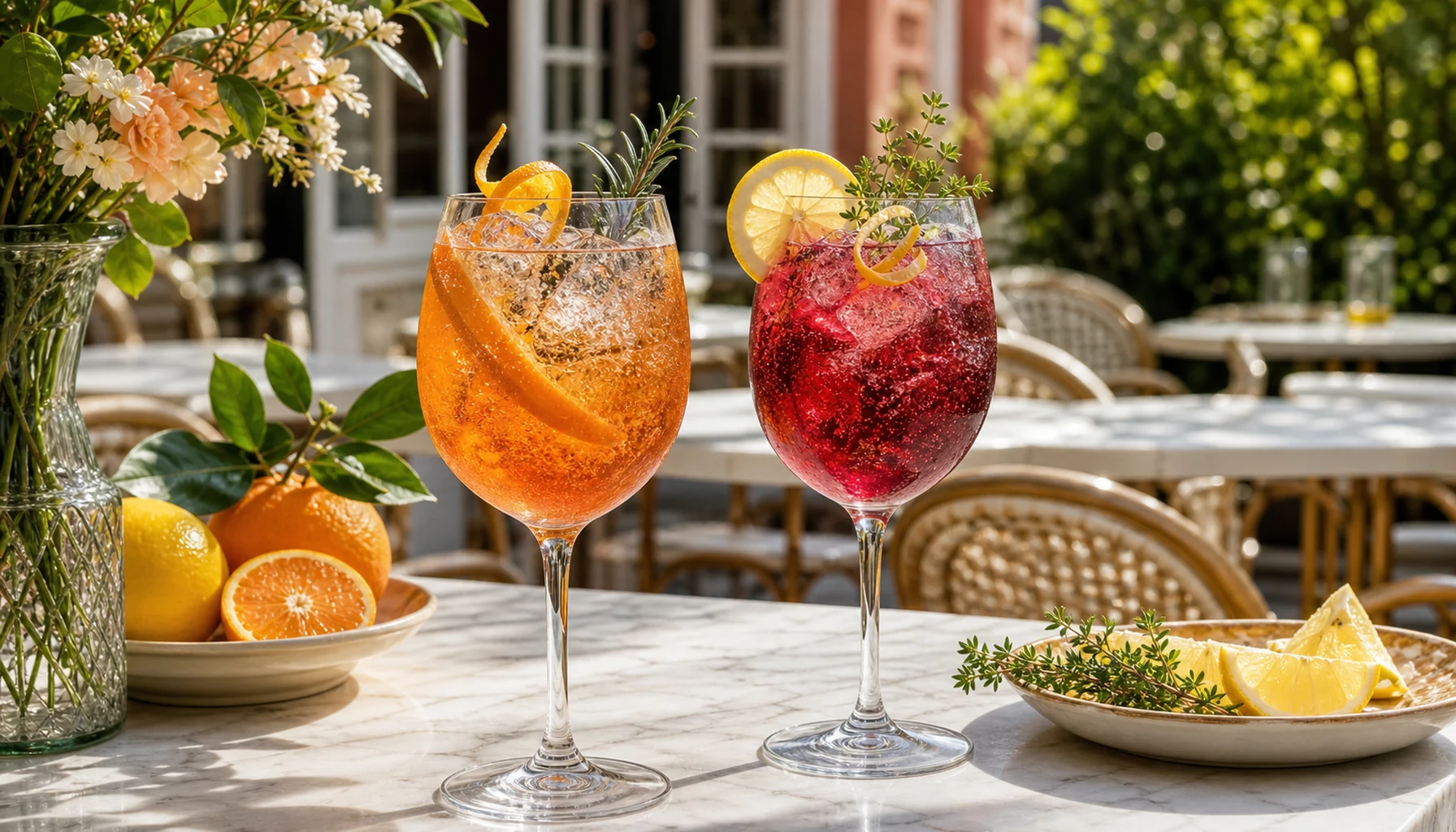
It helps that the spritz is visually generous. The glass is tall, the garnish is expressive, and the bubbles make the drink feel festive even when the alcohol stays modest. That combination works for bars trying to offer lighter choices without making them feel secondary. It also works at home because the build is forgiving: chill the ingredients, measure lightly, top with bubbles, and serve.
Flavor Profile
The best low-ABV spritzes feel crisp, bitter, and lifted. The bitter element keeps the drink adult and structured. Citrus brings a clean edge. Sparkling wine or soda gives the drink height and movement. The goal is a flavor that opens quickly and then refreshes instead of lingering too heavily.
Balance matters. Too much sweet aperitif can make the drink sticky. Too much soda can make it thin. A squeeze of lemon or grapefruit can sharpen the whole glass, while a pinch of salt can make the bitter notes taste cleaner.
Think of the drink in three layers. The base should be aromatic, the middle should be tart or bitter enough to hold interest, and the top should be dry and sparkling. If one layer is too loud, the spritz loses its casual charm. If all three are tuned, the drink feels effortless.
Signature Recipe
This house spritz uses dry vermouth for structure, a red bitter aperitif for color and bite, and sparkling wine for lift.
Ingredients:
- 1 1/2 oz dry vermouth
- 3/4 oz bitter aperitif
- 1/2 oz fresh grapefruit juice
- 2 oz sparkling wine
- 1 oz club soda
- Orange peel for garnish
Instructions:
- Fill a large wine glass with ice.
- Add the dry vermouth, bitter aperitif, and grapefruit juice.
- Stir briefly to chill and combine.
- Top with sparkling wine and club soda.
- Lift the drink gently with a bar spoon so the bubbles stay lively.
- Garnish with a broad orange peel.
Variations to Try
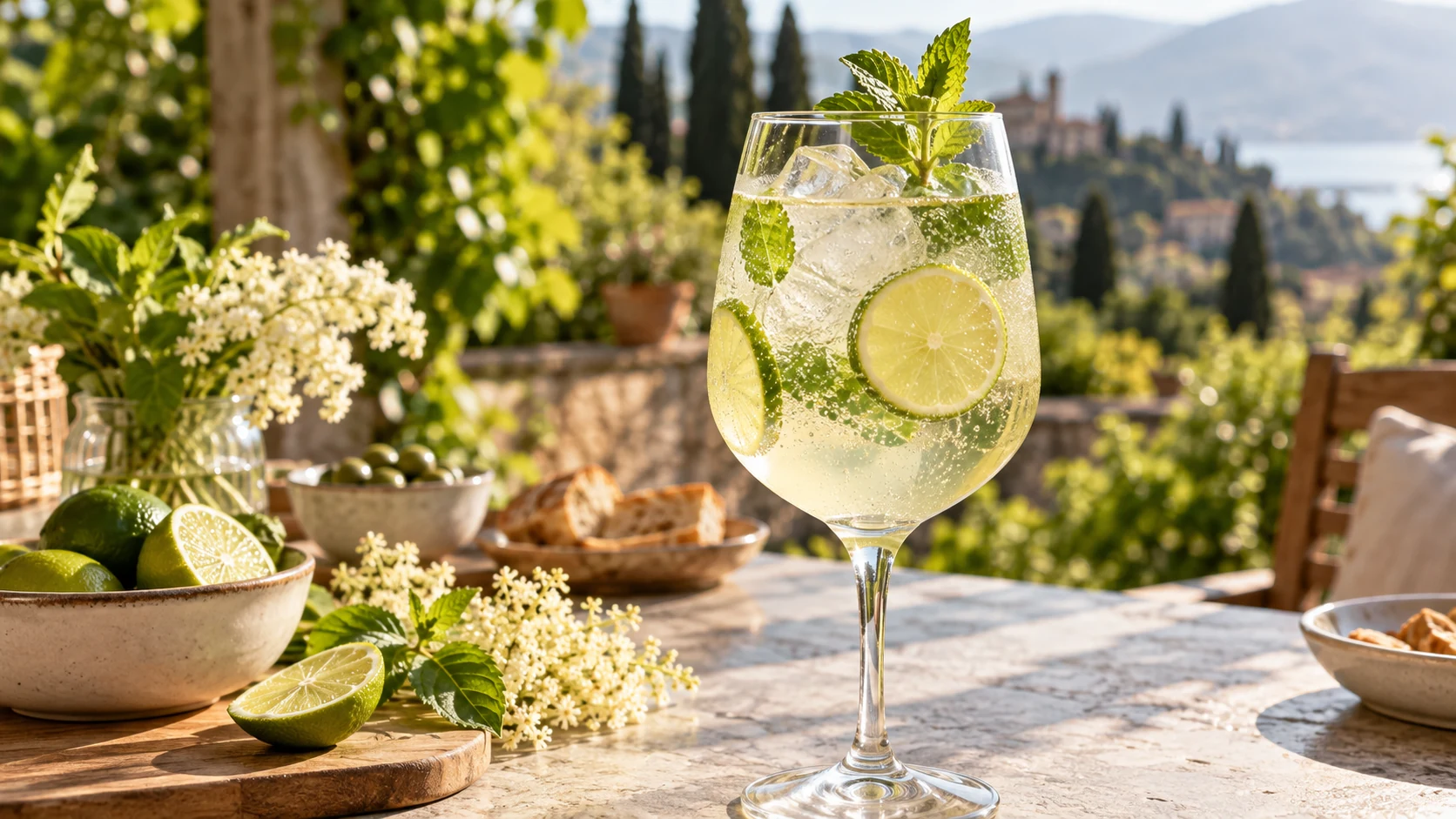
For a greener version, replace the bitter aperitif with a gentian-based aperitif and garnish with lemon and thyme. For something softer, use blanc vermouth and a splash of elderflower tonic. If you want a drier aperitif hour drink, skip the grapefruit juice and use extra soda with a lemon twist.
You can also treat the spritz as a seasonal template. Rhubarb in spring, peach in summer, apple in fall, and blood orange in winter all work well as long as the drink keeps its bitter backbone.
For a no-waste variation, use citrus peels left from juicing to make an oleo-saccharum, then add a teaspoon to the glass before topping with bubbles. It gives the drink a deeper citrus aroma without pushing it into lemonade territory. For a dinner-party batch, combine the vermouth, aperitif, and juice in a bottle ahead of time, then pour over ice and add sparkling wine and soda to order.
Serving Tips
Use a glass that leaves room for ice and bubbles. A cramped glass warms quickly and makes the drink feel flat. Add the sparkling ingredients last, and avoid aggressive stirring after the bubbles go in. Large ice cubes help the drink stay cold without diluting too quickly.
Low-ABV spritzes pair well with salty snacks, olives, tinned fish, citrus salads, and light fried foods. Their bitterness resets the palate, which is why they work so well before a meal.
Temperature is the detail that separates a pleasant spritz from a great one. Chill the wine, chill the soda, and use more ice than you think you need. Warm bubbles collapse quickly, and a lightly alcoholic drink needs that cold snap to feel complete. A fresh garnish also matters because the drink's aroma is mostly coming from citrus oil, herbs, and the aperitif.
Conclusion
The modern low-ABV spritz proves that lighter drinking can still feel complete. It is colorful, aromatic, and social, but it stays easygoing. When bitterness, citrus, and bubbles are balanced, the spritz becomes more than a compromise. It becomes one of the most versatile cocktail formats on the table.